
Africa’s agricultural transformation will depend less on the number of development projects launched and more on whether farmers can build businesses that survive after grants and donor funding run out, agriculture and business leaders have said.
The warning came as leaders from government, business, development finance, philanthropy and agriculture called for a fundamental shift in how the continent invests in food production—away from short-term projects and towards commercially sustainable value chains built around real markets.
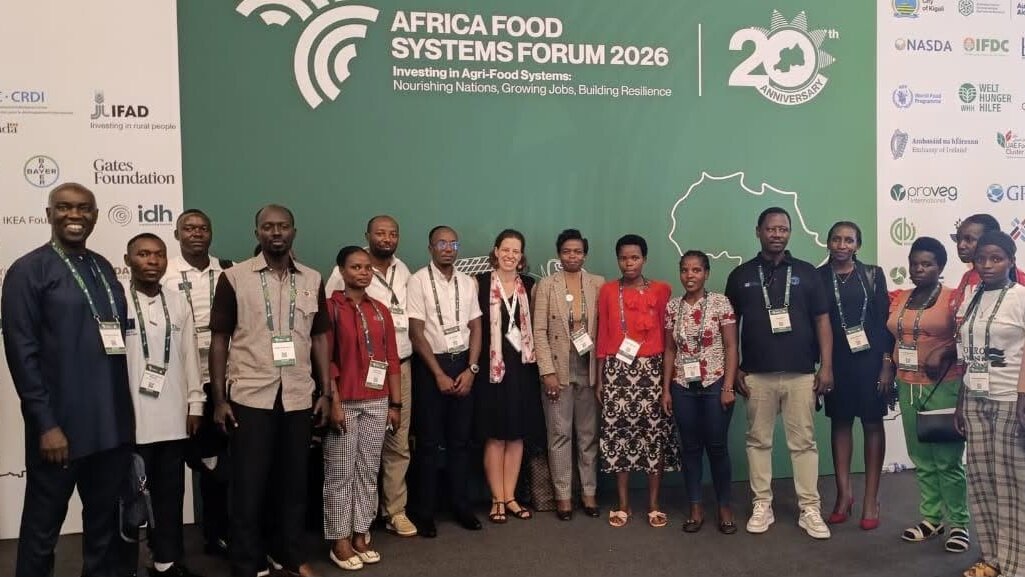
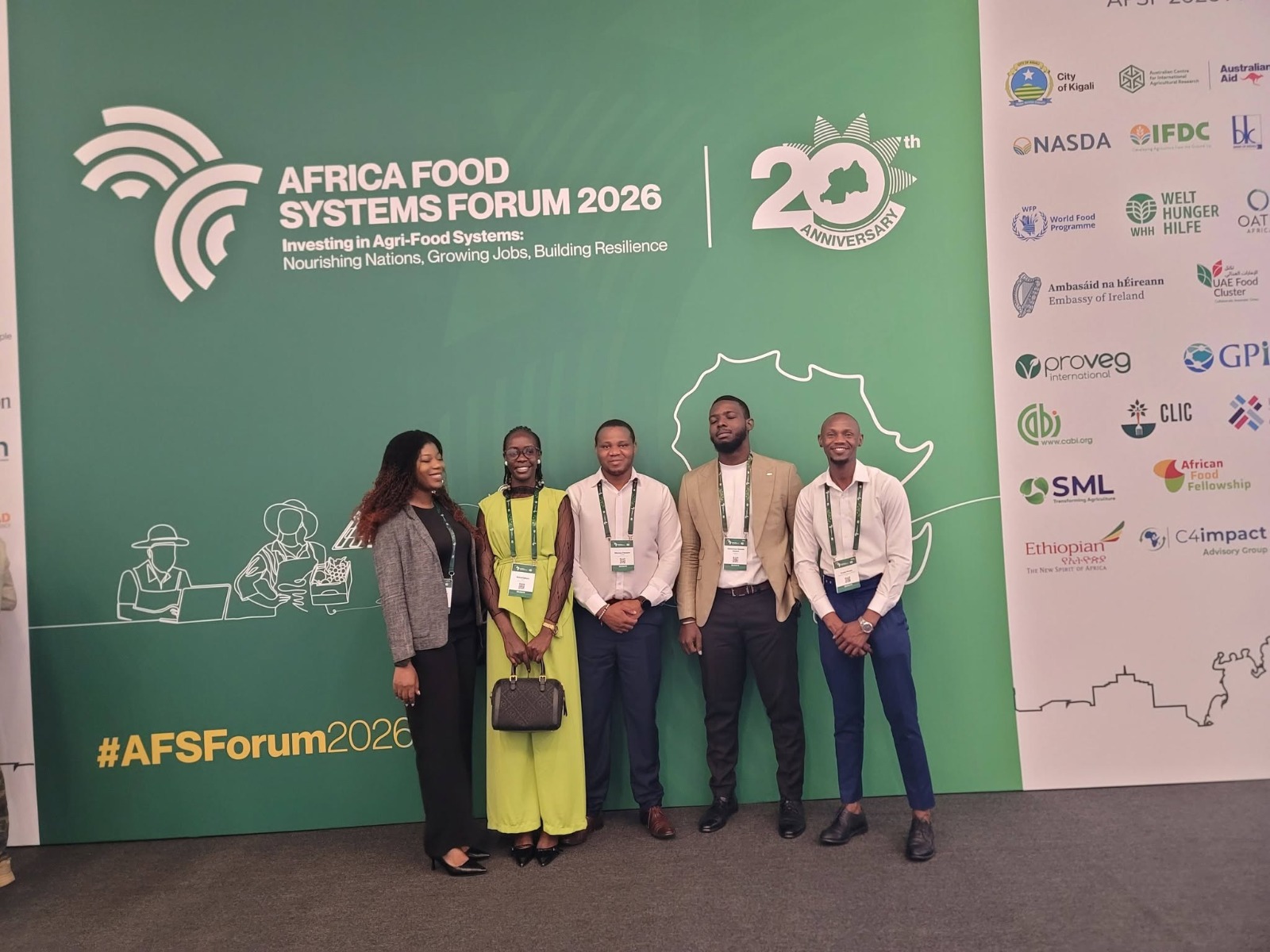
The discussions, convened by PepsiCo and RTI International on the sidelines of the Africa Food Systems Forum in Kigali, Rwanda, identified the ability to connect farmers to reliable buyers as one of the biggest opportunities for unlocking private investment in African agriculture.
The approach is already being tested in Ethiopia, where more than 2,800 farmers are growing potatoes under contracts to supply PepsiCo.
The initiative, launched in 2024 through the US Government-funded Ethiopia Transforming Agriculture activity implemented by RTI International, seeks to address some of the longstanding weaknesses that have held back Ethiopia’s potato industry, including limited access to quality seed, fragmented supply systems and weak connections between farmers and commercial buyers.
Through the partnership, farmers have access to a clearer market, while PepsiCo gains a more reliable local supply chain.
PepsiCo’s potato sourcing in Ethiopia is now fully local, with 84 per cent of its supply coming through the initiative.
The development is significant in a continent where farmers frequently struggle with unpredictable markets, inadequate storage and transport infrastructure, limited access to finance and poor-quality farm inputs even when there is strong demand for their produce.
Under the Ethiopian model, contract farming provides farmers with an identified market, agreed quality requirements and pricing arrangements, while seed multiplication is helping tackle one of the major constraints to increasing potato production.
For farmers, the attraction is not simply access to another development programme but the prospect of knowing who will buy their produce after they have invested money and labour in growing it.
For businesses, strengthening local production can reduce dependence on uncertain supply chains and create a more resilient source of raw materials.
“The real test of an agricultural partnership is not how many organisations sit around the table, but whether the farmer has a stronger business at the end of it,” said Meghna Laxman, Corporate Affairs Director, PepsiCo Africa Franchise + Ethiopia/Nigeria Foods.
“If farmers can produce more efficiently, earn more predictably and reach a dependable market, while businesses build a more resilient local supply base, then the partnership is creating value on both sides. That is the kind of model that has a chance to scale.”
The Ethiopian experience was presented as an example of how development finance and private investment can complement each other without creating permanent dependence on donor support.
Under the proposed model, public and philanthropic money plays its strongest role at the stage when an agricultural venture is still too risky for commercial investors.
Such funding can help overcome infrastructure gaps, build farmers’ technical capacity, introduce technology, develop markets and absorb some of the risks associated with currency, politics and early-stage investment.
But as a value chain becomes commercially viable, the role of grants and philanthropy should gradually diminish.
Representatives from the Gates Foundation, African Development Bank, Food and Agriculture Organisation of the United Nations and World Bank joined the discussions on how catalytic finance can help agricultural ventures cross that difficult gap between a promising idea and a bankable business.
The ultimate goal, participants said, should not be to keep subsidising agricultural projects indefinitely, but to create businesses capable of attracting commercial capital and generating returns while improving farmers’ incomes.
“Successful public-private partnerships create the greatest value when they are tied to a real market opportunity and when incentives are aligned across the value chain,” said Meghan Anson, RTI’s Senior Advisor for Food Security and Nutrition.
“When this alignment exists, investment is more likely to strengthen markets, improve resilience, and create value that extends well beyond any individual partnership.”
The potential scale of the approach is illustrated by another initiative in Ethiopia involving RTI, PepsiCo and partners including John Deere, Corteva Agriscience, Dimagi, Hello Tractor and Samanu.
The partners are working to develop a domestic sunflower value chain targeting 72,000 farmers cultivating 43,000 hectares.
The initiative is projected to generate an estimated $300 million in annual sunflower oil sales while also expanding trade between the United States and Ethiopia.
The sunflower project illustrates the wider ambition behind the market-led model: combine farmer participation with technology, machinery, private-sector demand and investment to create a value chain large enough to attract further commercial capital.
But participants cautioned that farmers cannot build profitable agricultural businesses simply because a company is willing to buy their produce.
Roads, electricity, water, irrigation, storage, extension services, affordable finance, logistics and predictable government policies remain critical to making agricultural investment viable.
This puts governments in a different but equally important position.
Rather than attempting to fund every part of an agricultural value chain, governments and development institutions can concentrate on creating the infrastructure and policy environment that allows private investors and farmers to do business.
The discussions also turned to Rwanda, where participants explored whether lessons from Ethiopia could be adapted to the country's agricultural sector.
Among the ideas under consideration are models combining government-supported land and water infrastructure with private-sector anchor farms, farmer training and patient financing targeted at women and young farmers.
One proposed model would allow farmers to repay the cost of greenhouse infrastructure from the proceeds of their harvests, rather than requiring them to begin servicing conventional loans before their crops generate income.
No formal investment decision or Rwanda project commitment was made at the Kigali meeting, but participants said the discussions could inform future opportunities in Rwanda and other African markets.
The emerging message is that Africa may need to rethink the traditional relationship between development aid and agriculture.
For decades, projects have been launched to increase production, train farmers or introduce new technologies. But many struggle to survive once project funding ends because they were never sufficiently connected to a functioning commercial market.
The market-led approach reverses that sequence.
Instead of asking first what project should be funded, investors and development partners begin by asking what product has a market, who will buy it, how much farmers can earn and what infrastructure and finance are required to make the business work.
Once those questions are answered, development funding can be used strategically to remove barriers that prevent a commercially viable opportunity from taking off.
The biggest test, however, remains the farmer.
A value chain cannot be considered successful simply because it increases production or attracts millions of dollars in investment. Farmers must have a reason to remain in the business, access to productive inputs and technology, predictable markets and sufficient returns to justify their investment.
That is the lesson emerging from Ethiopia’s potato experience—and the challenge facing agricultural investors across Africa.
The continent does not lack farmers, land or agricultural opportunities. What it needs is a stronger bridge between those opportunities and markets capable of rewarding production.
The future of African agriculture, participants argued, could therefore depend on making the farmer not merely a recipient of development assistance, but a commercial participant in a functioning food economy.
Be the First to Comment