There was a time when Machakos People's Park was the heartbeat of the weekend.
For fun lovers from Machakos, Nairobi, and beyond, it was the perfect, inexpensive getaway. For less than the cost of a trip to Naivasha or Sagana, families could pack a picnic basket, hop on a matatu, and find themselves in a green, well-manicured paradise in the heart of Ukambani.
Built by former Governor Dr Alfred Mutua, the park was more than just grass and benches. It was an experience. It had boat rides on the lake, a dancing fountain, amphitheaters, modern restaurants, and open spaces where children could run freely while parents enjoyed affordable meals. On any Saturday or Sunday, the park was full.
But not anymore.
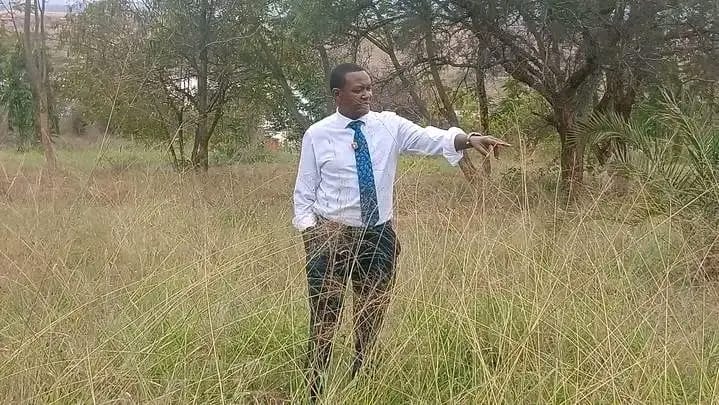
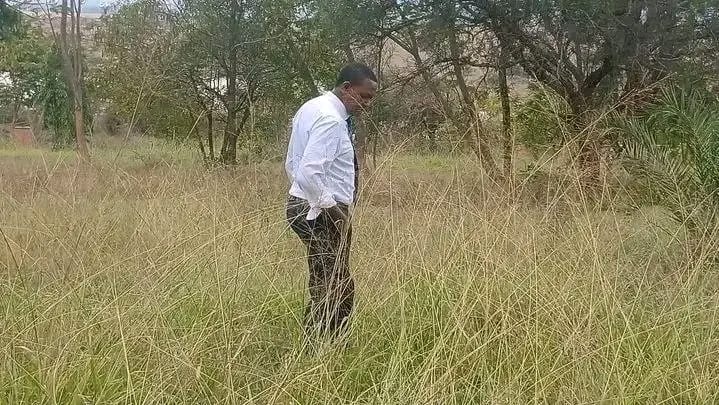
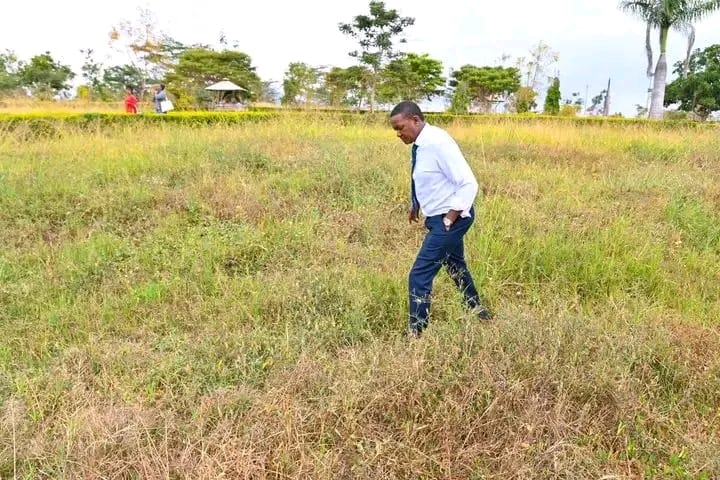
Since the end of Governor Mutua's tenure, the place has fallen quiet. The music has stopped, the crowds have vanished, and the once-lush lawns have given way to long, dry, unmowed grass.
There are claims that the new administration led by Governor Wavinya Ndeti has openly shifted priorities. Her government’s philosophy, captured in the mantra 'Chakula Mezani, Pesa Mfukoni' - Food on the Table, Money in the Pocket - has focused squarely on what it terms livelihood sectors.
The thinking is simple: before entertainment, first feed the people. The county has channeled its resources into agriculture, roads, health and bursaries - sectors that directly put money in pockets and food on tables. In that hierarchy, a recreational park, however popular, became a luxury.
The park, however, has suddenly come back to the limelight following a recent visit by its founder, Labour Cabinet Secretary Dr Alfred Mutua.
Mutua, who toured the facility, decried what he termed a "state of neglect" of his pet project. And many residents, surprisingly, agree with him.
A visit to the park paints a grim picture. The perimeter fence has been vandalized and pulled down in sections. The restaurants that once served thousands of visitors with fish, nyama choma and cold drinks are locked, dusty and deserted. The famous dancing fountain is silent.
One regular visitor recalled with nostalgia the park's economic ripple effect.
"I’ve always lived in Nairobi but was a regular at Machakos People’s Park. Now such options aren’t there. The 14-seaters plying the Nairobi, Kitengela, and Mlolongo route had more business because of that park. Once, a driver wanted to take us inside since half the passengers were headed there, but at the entrance, other beneficiaries - tuk-tuk and Maruti drivers - were gatekeeping their route," he said.
That story was the park's true value - it wasn't just fun; it was business. It fed matatu drivers, boda riders, photographers, food vendors and small traders.
The tragedy of successor politics
For Dr Mutua, the decay of the park is symbolic of a bigger Kenyan problem.
He terms it "the tragedy of African leadership where successors are quick to forget projects initiated by their predecessors, thus making the people fail to realize the value for taxpayers' money injected in such projects."
It is a familiar pattern in Kenyan counties - white elephants born not out of lack of funds, but out of political rivalry.
The question now for Machakos residents is : Must development be either/or? Must a county choose between food on the table and a place to enjoy that food?
As the sun sets over the dry grass of People's Park, that question hangs in the air, unanswered.