
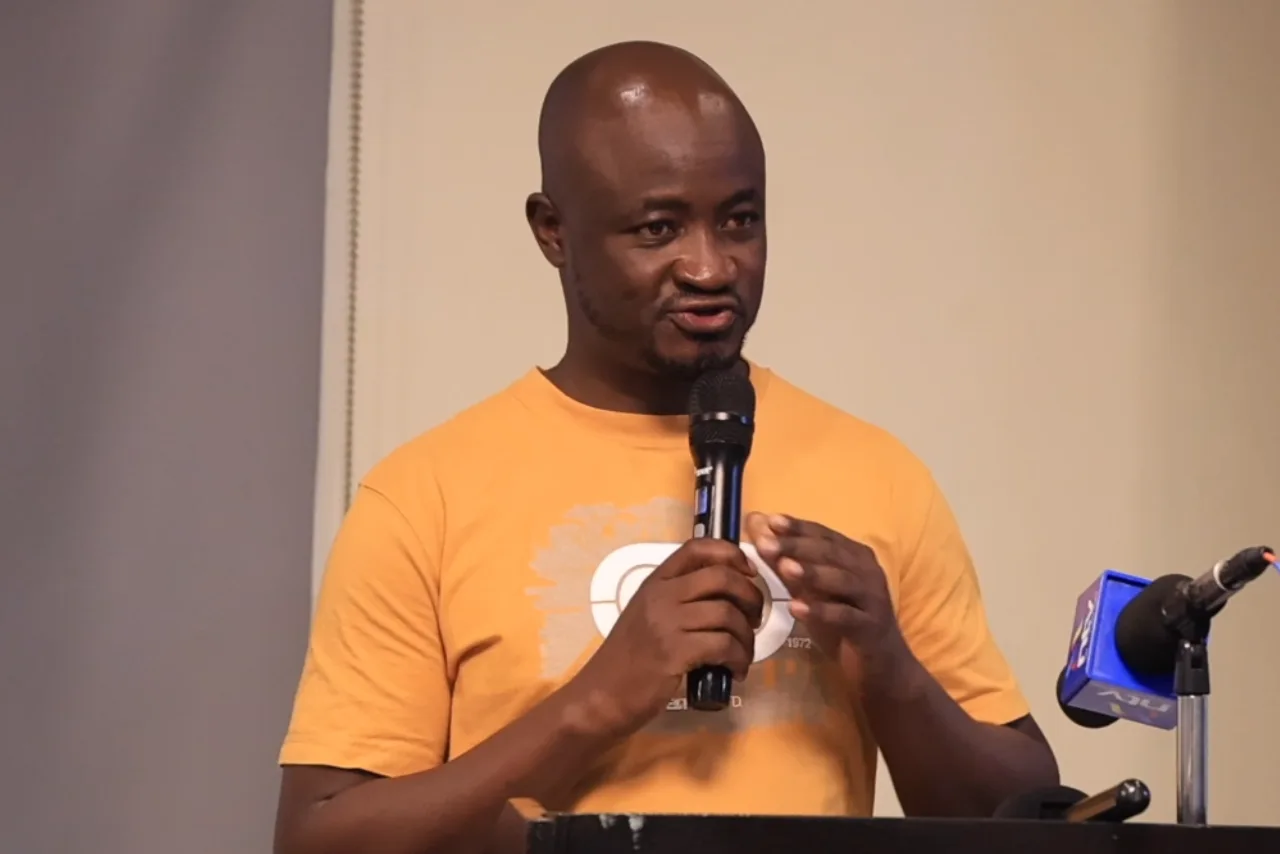
Anti-Doping Agency of Kenya (ADAK) Acting Director of Standards and Compliance Dr Martin Yauma has challenged sports journalists to play a bigger role in protecting Kenyan athletes from doping by exposing risks and promoting clean sport.
Speaking during the Sports Journalists Association of Kenya (SJAK) Annual General Meeting in Nairobi on Friday, August 14, Yauma said athletes need a “second, quiet preparation” beyond physical training to equip them to resist doping and make informed decisions about substances they put into their bodies.
He advised that Kenya must stop measuring preparedness only through kilometres covered, personal-best times and podium ambitions, arguing that athletes must also be prepared to say no to prohibited substances and other risks.
“Is the athlete prepared to say no to the factors that expose them to doping? Is the athlete prepared to understand what they are putting into their body and why they are doing so?” posed Yauma.
He identified economic desperation, unqualified entourages, a culture of silence and inadequate athlete education as major factors exposing Kenyan athletes to doping.
Yauma noted that athletes whose families depend entirely on their sporting income can feel enormous pressure to win, while unqualified coaches, agents and other handlers may recommend substances without proper knowledge.
He also warned that athletes can remain silent because they fear losing sponsors or opportunities if they speak about doping-related concerns.
The ADAK official called for stronger regulation of coaches, agents, doctors and other people working with athletes, including licensing, accreditation and anti-doping education.
He said prevention should begin early, noting that anti-doping education is being introduced into the curriculum at primary level to instil values before athletes face the pressures of elite competition.
Yauma also disclosed that ADAK was moving towards more intelligence-and risk-based testing rather than relying solely on conventional testing, allowing more resources to be channelled into education, awareness and information sharing.
He urged journalists to investigate suspicious training camps and give whistleblowers space, saying their work could help uncover doping risks before they become major problems.
Yauma praised ADAK’s partnership with SJAK, saying the agency had invested more than KES 4 million in supporting the association’s programmes, and pledged to discuss increased investment in training journalists on anti-doping issues.
“We appreciate every story you write and every question you ask,” he noted, urging journalists to continue their scrutiny while keeping athletes’ interests at heart.
He added that the ultimate objective was to build trust and confidence among athletes and create an environment where clean sport is protected.
“None of these things can stand up without you,” Yauma told the journalists. “We need you to help protect our athletes and protect our nation.”
Be the First to Comment