
Kenya and the World Anti-Doping Agency (WADA) have agreed to intensify the fight against doping by strengthening investigations, improving intelligence gathering and bringing law-enforcement agencies closer to the country’s anti-doping programme.
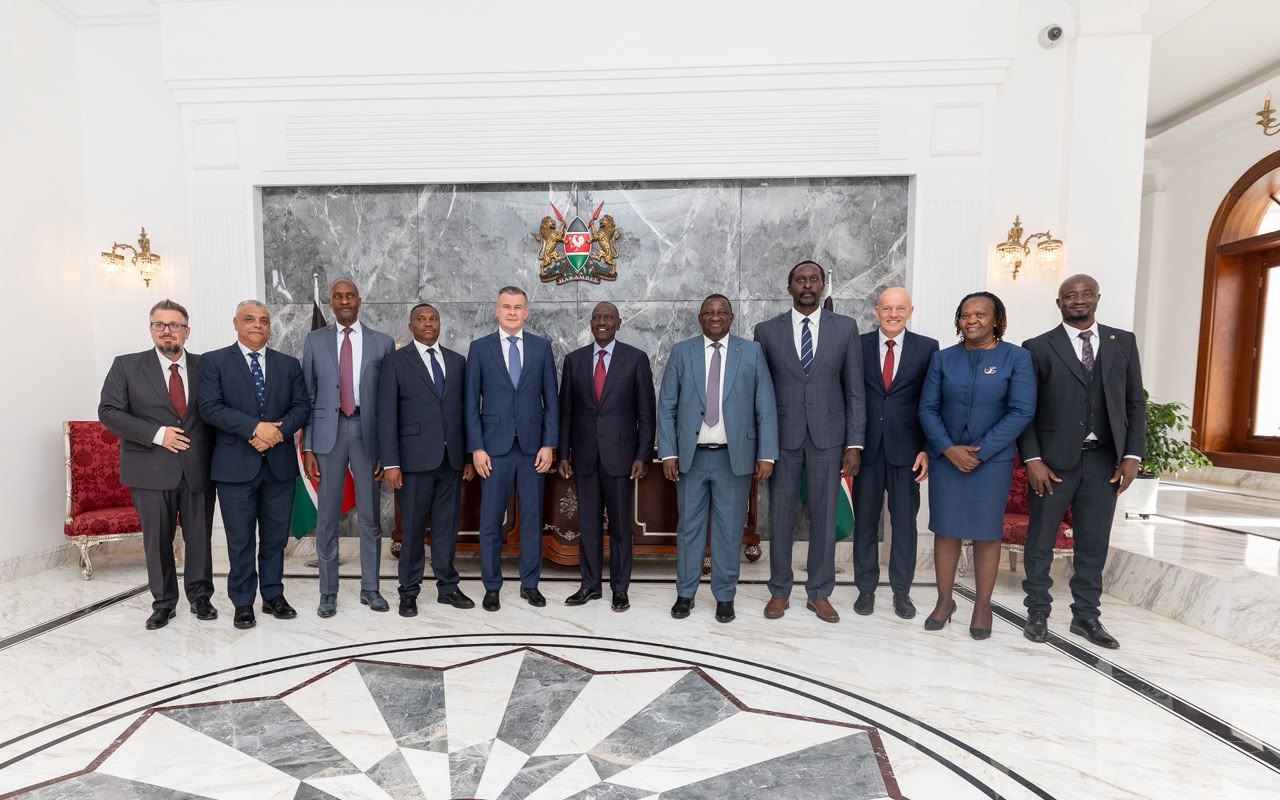
The commitment was made in Nairobi at the conclusion of WADA President Witold Bańka’s official visit on Tuesday, October 6, during which he held talks with President William Ruto, Sports Cabinet Secretary Salim Mvurya and officials from the Anti-Doping Agency of Kenya (ADAK), among other stakeholders.
Mvurya disclosed that the government was determined to ensure that Kenya’s success in international sport was built on integrity, particularly as the country prepares to host major competitions, including the 2027 Africa Cup of Nations and the 2029 World Athletics Championships.
He added that the government had been implementing an action plan since 2025 to strengthen ADAK and would continue providing the agency with the resources required to perform its national and international responsibilities.
“Sportsmen and women have to win with integrity,” said Mvurya, adding that Kenya’s ambition to become a leading sporting nation must be matched by a strong anti-doping system.
The Cabinet Secretary said the government was also reviewing the country’s anti-doping legislation and policy ahead of the implementation of WADA’s new code in 2027. He noted that Parliament was being engaged to ensure the new requirements were incorporated into Kenyan law.
Mvurya stressed that tackling doping could not be left to ADAK alone. He called for closer cooperation between anti-doping officials, police, prosecutors, customs, immigration, intelligence agencies and other institutions involved in investigations and enforcement.
Bańka welcomed Kenya’s commitment, saying his meetings with senior government officials had demonstrated a common determination to promote clean sport.
He added that President Ruto had made sport a central part of his development agenda, but warned that Kenya’s growing influence in international sport also came with greater responsibility.
Kenya, he noted, proudly identifies itself as the “Home of Champions”, but must also ensure that its sporting environment remains clean and credible.
Bańka called for stronger action against people involved in the manufacture, trafficking and distribution of illegal performance-enhancing drugs, saying such networks threaten athletes’ careers and the reputation of countries.
A key development during his two-day visit was a meeting involving representatives from law enforcement and investigative agencies. Bańka described the gathering as an important step towards establishing a coalition for clean sport.
Günter Younger, who serves as the Director of Intelligence and Investigations for WADA, said the agency was increasingly shifting its attention from athletes to those supplying banned substances.
He explained that athletes were often the weakest link in the doping chain, while coaches, medical practitioners and suppliers could play a significant role in facilitating the use of performance-enhancing drugs.
Younger revealed that WADA’s strategy was therefore to combine the expertise of national anti-doping organisations with the powers of law-enforcement agencies to disrupt the supply of prohibited substances.
He disclosed that approximately 250 operations conducted globally had resulted in the seizure of more than 90 tonnes of performance-enhancing drugs, preventing an estimated 1.8 billion doses from entering the market.
Kenya will also participate in WADA’s Global Anti-Doping Intelligence and Investigations Network (GAIN), with the country expected to host one of the programme’s workshops.
Younger said Kenya had the necessary institutions, personnel and political commitment to make the initiative successful and eventually become a model for other countries in the region.
The officials also addressed concerns about a perceived culture of silence surrounding doping.
Bańka cautioned that a decline in positive cases should not necessarily be viewed as evidence of success. Effective testing and investigations, he said, could result in more violations being detected.
Younger said protecting whistleblowers and maintaining confidentiality would be crucial to encouraging people with information to come forward. He observed that WADA receives hundreds of reports each year and has built systems designed to protect the identity of its sources.
Mvurya said Kenya would continue strengthening ADAK and working with WADA to develop a comprehensive system capable of preventing, detecting and prosecuting doping violations.
The government’s objective, he added, was to ensure that Kenya’s reputation as the “Home of Champions” was matched by its reputation as a leader in clean sport.
Be the First to Comment