
Ugandan coach Edward Odokcen has described the Africa Regional Coaches Conference in Nairobi as a “blessing” for tennis in the region, explaining that bringing top international coaching expertise closer to African coaches could accelerate the development of players.
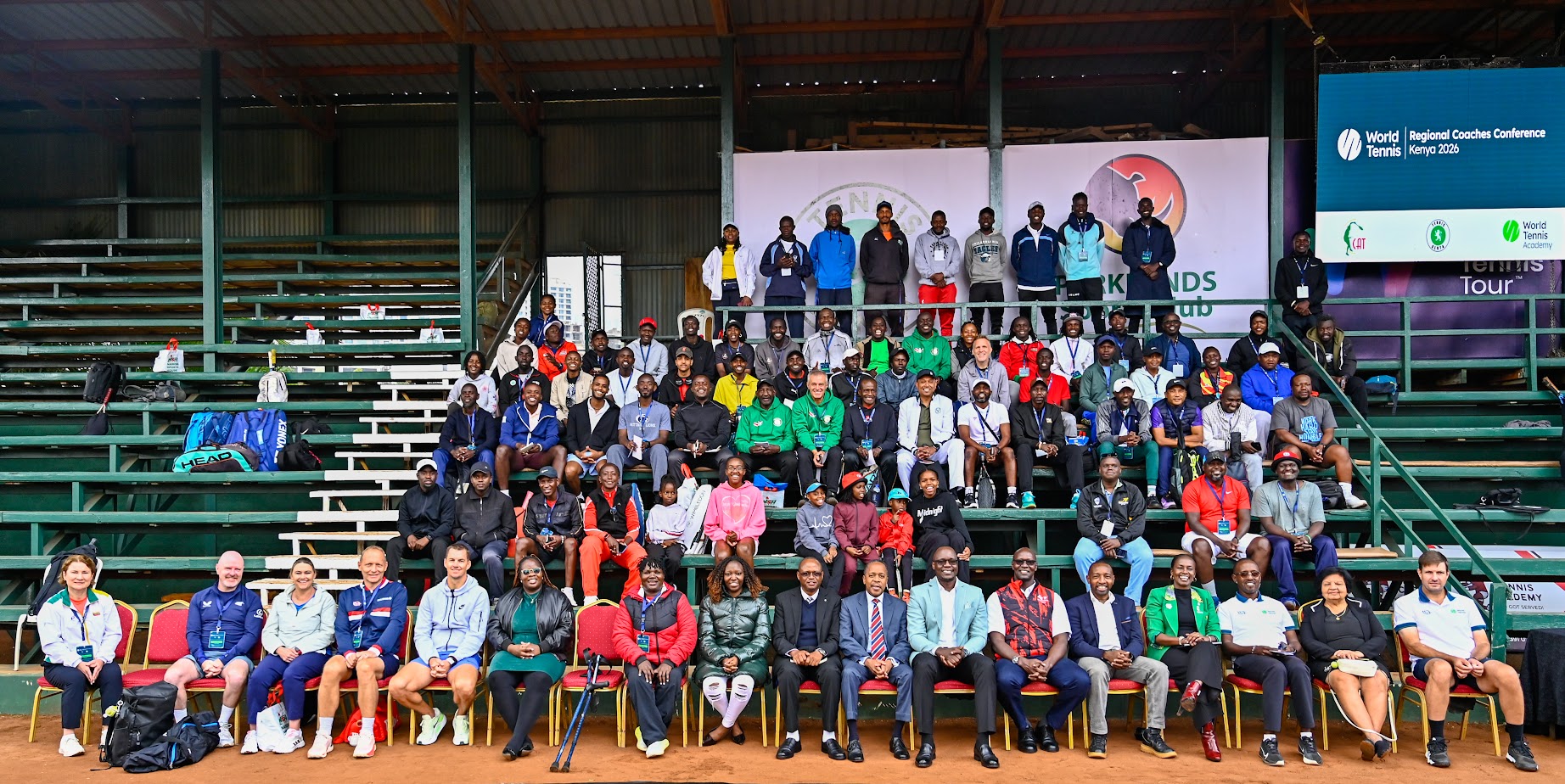
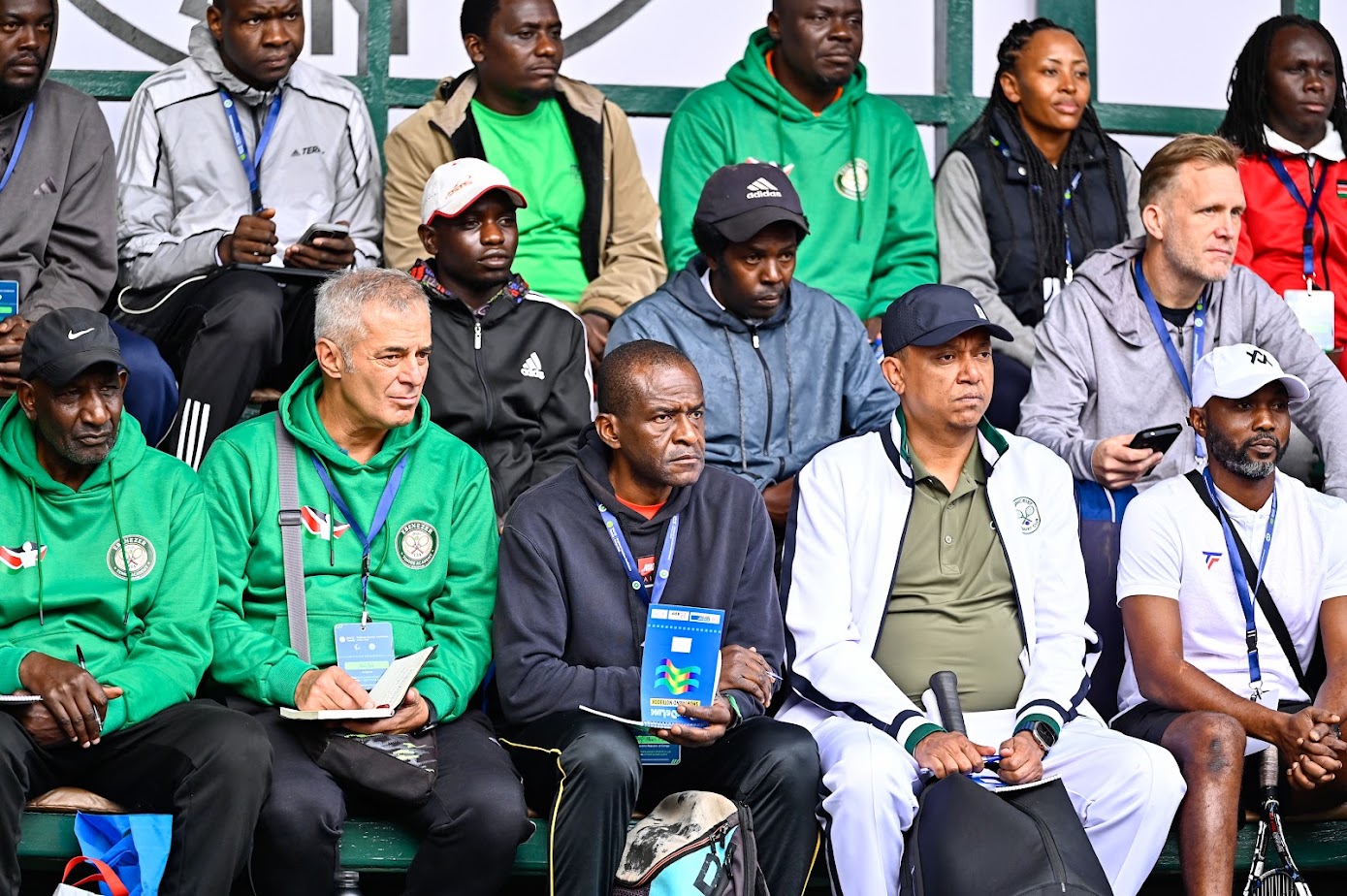
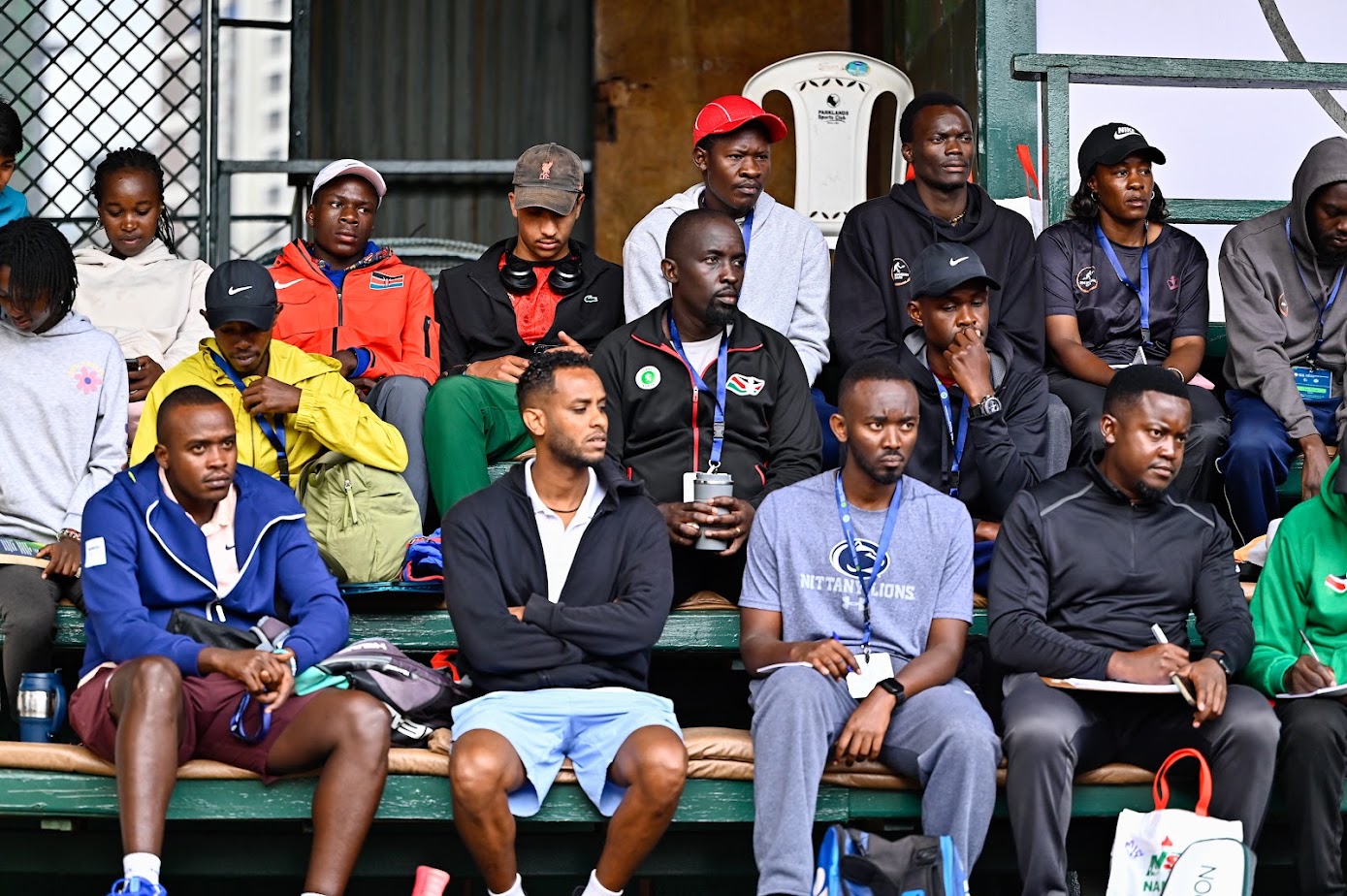
More than 100 coaches from over 20 countries are attending the three-day conference at Parklands Sports Club, which opened Monday and ends Wednesday.
Being held in East and Central Africa for the first time, the conference features technical presentations and practical on-court sessions led by international experts, including Great Britain’s Kris Soutar.
“I want thank Tennis Kenya for bringing this conference to East Africa. This conference here is like a blessing to our region,” noted Odokcen, one of Uganda’s leading coaches.
“Having so many of the top coaches coming from different parts of the world, we are getting to learn so many different things that could easily help us develop our players in the region.”
Soutar has conducted practical sessions with rising players including Jeff Okuku, Bathsheba Ogamba and Aum Chandarana, giving coaches an opportunity to observe and apply different approaches to player development.
Odokcen believes the continent has enough talent, but has struggled to convert that potential into players capable of reaching the highest levels of international tennis.
“It is not because they don't know how to play. It is because when you look at the level of coaching, it is not of that high quality,” he observed.
He pointed to the number of junior tournaments in East Africa as evidence that the region has a platform for player development, citing Kenya’s eight junior ITF events, Rwanda’s four and Uganda’s two.
“But we need to improve more on our coaching structure,” he said.
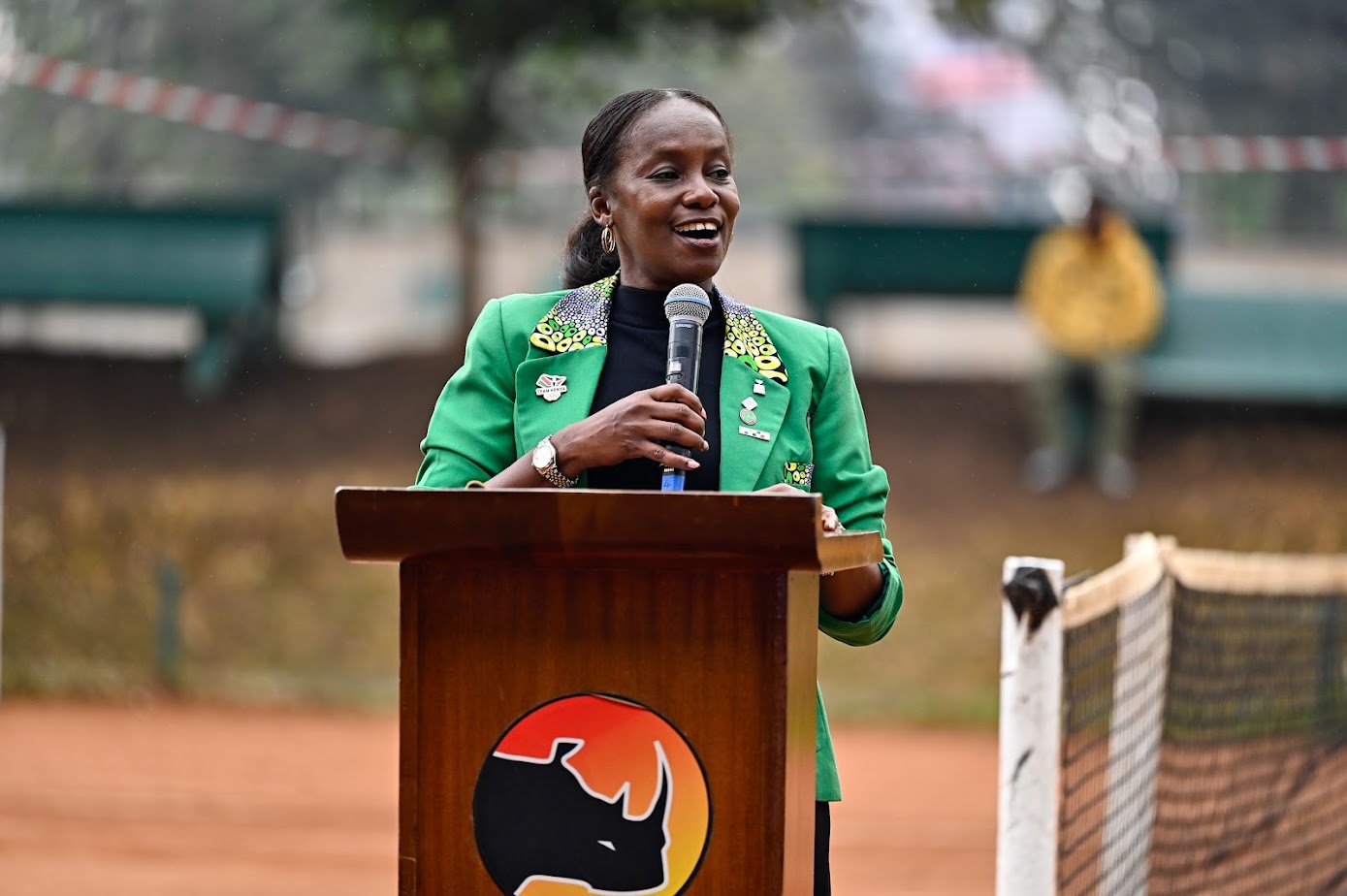
Tennis Kenya president and Confederation of African Tennis vice president Wanjiru Mbugua-Karani disclosed that the conference was deliberately brought to Nairobi to make coach education more accessible.
More than half of the coaches attending are Kenyan, while participants from neighbouring countries have been able to travel to Nairobi without the cost of attending conferences farther afield.
“Tennis Kenya is in the business of creating opportunities,” said Mbugua-Karani. “Bringing this Conference to Nairobi allows many more Kenyan and African coaches to access high-level education, exchange ideas, build relationships and connect with the wider tennis community.”
She added that the objective was to move African tennis from talking about potential to producing results.
“Potential is not our permanent address,” emphasized Mbugua-Karani. “We need to move into performance.”
Tennis Kenya technical director Rosemary Owino said the strong attendance demonstrated that coaches recognised the need to keep learning.
“When you have a coach that is hungry to learn and wants to learn and wants to grow, that means that you have a coach that wants you to get better,” explained Owino.
She added that the real measure of the conference would be seen after coaches return to their programmes and apply what they have learnt.
“We hope that in a couple of years we can see effects of a conference like this in the way coaches think, in the way coaches coach, in the way players play,” she said.
Kenyan rising star Stacy Yego, 18, noted that attending the sessions had given her a deeper understanding of the game.
“Listening to different coaches, speaking about tennis coaches who have so much experience, it makes you get a better understanding of tennis and the game,” noted Yego, who trains at 254 Racquet Club in Loresho.
Yego, the sister of Kenya Davis Cup player Ibrahim Kibet, is entering her final year of junior competition before turning professional.
Her immediate ambition is clear: “My plan for now in the future, I want to go pro.”
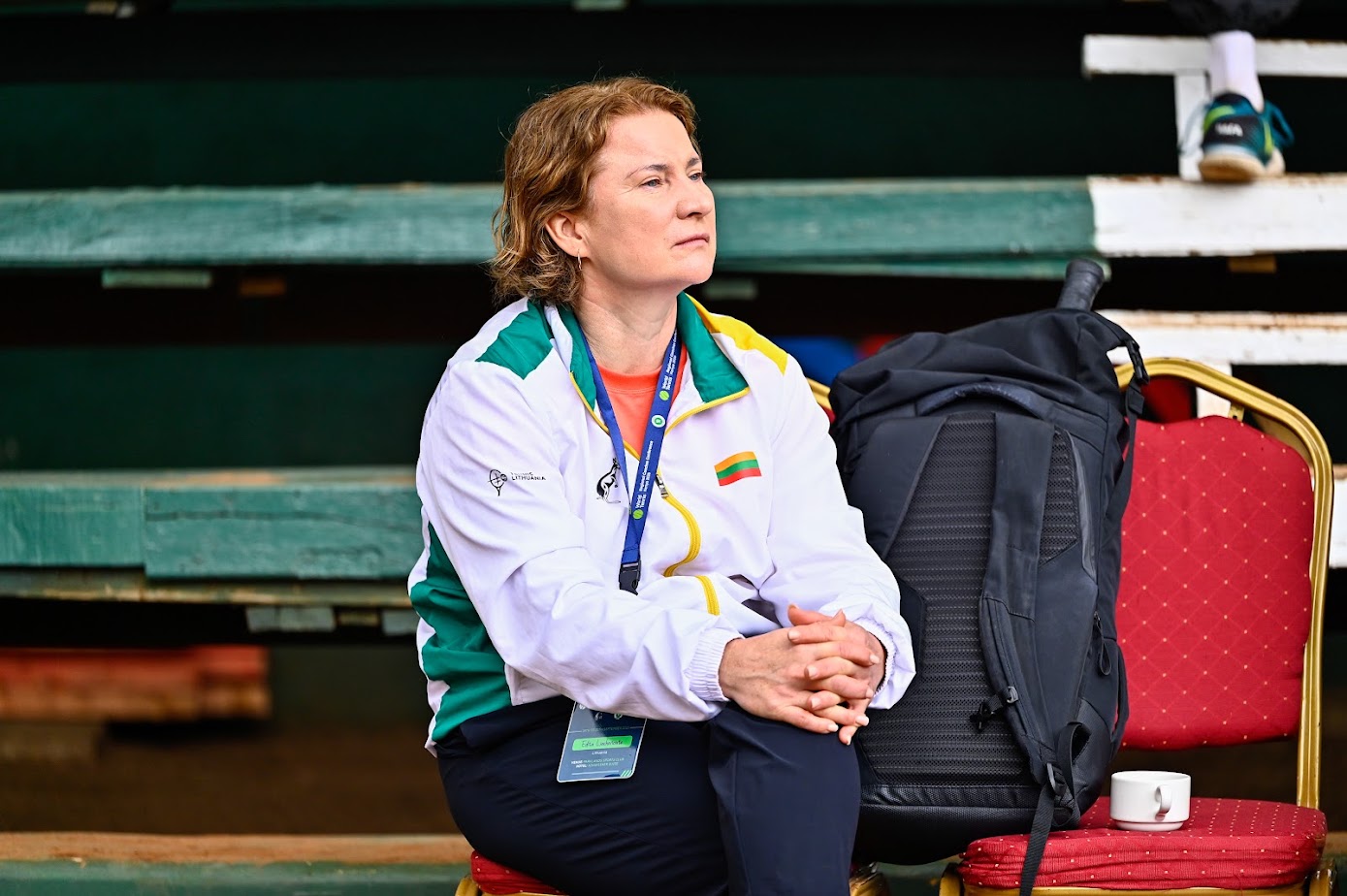
The conference brings together experts from Africa, Europe, Asia, the Middle East and the United States, with World Tennis represented by education and development officials.
For Odokcen, however, its greatest significance is that the knowledge has come to the region rather than requiring coaches to travel overseas.
“When it gets to our region, I feel it is a blessing that we are just close to each other,” he concluded.
Be the First to Comment