
Scientists aim at investigating the genetic causes of high blood pressure in Kenya and The Gambia in a new study that could help doctors detect the disease earlier and develop treatments better suited to African populations.
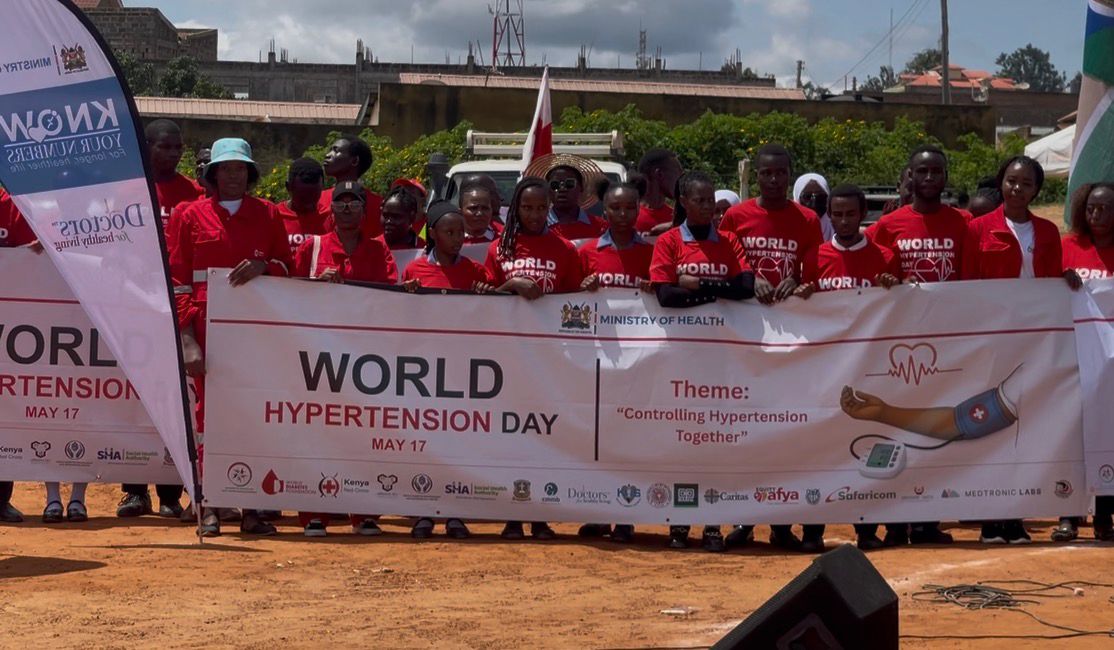
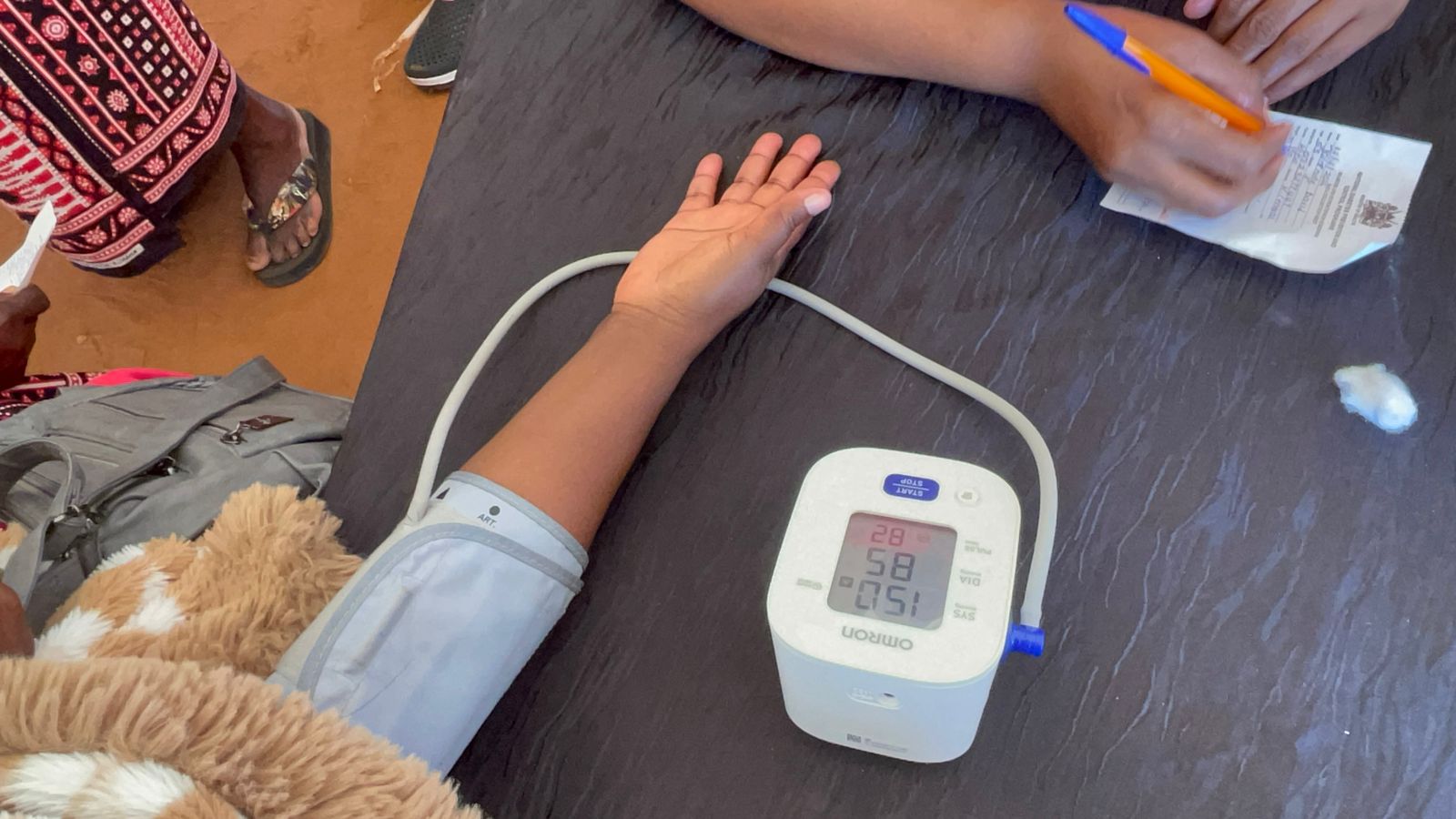
High blood pressure is one of the leading causes of heart disease, stroke and kidney failure in sub-Saharan Africa, where it develops earlier, is often more severe and is harder to control than in many other parts of the world. Despite this, African populations remain significantly underrepresented in global genetic research.
The research will be carried out by the KEMRI-Wellcome Trust Research Programme (KWTRP) and Roche's African Genomics Program, which will sequence the complete genetic code of about 1,200 samples collected through the ongoing Improving Hypertension Control in Rural Sub-Saharan Africa (IHCoR) study.
Researchers hope the findings will identify genetic markers that explain why high blood pressure and related heart, kidney and metabolic diseases affect African populations differently, paving the way for more precise diagnosis and targeted treatment.
Speaking in a statement, Consultant Physician and Head of Epidemiology and Demography at KWTRP, Dr Anthony Etyang, said the study will generate evidence needed to better understand the disease in African populations.
"High blood pressure is a silent epidemic in Africa, increasingly affecting younger people and severely impacting communities across the continent," he said.
Etyang said relying on data from outside Africa has limited understanding of how the disease develops among Africans and slowed efforts to deliver more effective care.
"For too long, our understanding of heart and metabolic diseases has relied on data from outside the continent. By combining our clinical knowledge from the IHCoR study with advanced genetic sequencing, we can identify new warning signs, understand how the disease shows up here specifically, and build the local scientific skills needed to drive future discoveries."
The partnership will also strengthen research capacity by supporting two PhD students and one postdoctoral researcher, while Roche's data scientists will provide technical expertise throughout the project.
Researchers will establish a secure data network linking study sites in Kenya and The Gambia, with all genetic data remaining hosted and managed in Africa while being made available for collaborative research.
Head of Roche's African Genomics Program Lisa Rooney Slater said the research could improve healthcare for African populations and contribute to better treatment globally
"Understanding what drives heart, kidney, and metabolic diseases in African populations is essential to developing better, more effective healthcare solutions globally," she said.
"We are proud to partner with KEMRI and look forward to the discoveries this partnership will produce."
According to the researchers, people of recent African descent account for less than three per cent of global genetic datasets despite Africa having the world's greatest genetic diversity. They say the study will help close that gap while advancing precision medicine tailored to African populations.
Be the First to Comment