Health experts are calling for stronger support for mothers of infants recovering from malnutrition, warning that many babies remain vulnerable after leaving hospital despite making good progress during treatment.
While many mothers successfully re-establish exclusive breastfeeding during admission, maintaining it at home often proves difficult because of limited support, household responsibilities and misconceptions about breastfeeding.
To bridge that gap, researchers are implementing the Individualized Breastfeeding Support for Acutely Ill Malnourished Infants (IBAMI) programme, which equips Breastfeeding Peer Supporters to provide home-based follow-up for mothers after hospital discharge.
Speaking about the programme, IBAMI Principal Investigator Dr. Martha Mwagome said the initiative was inspired by the introduction of guidelines on the treatment of malnutrition among infants under six months.
"When the guidelines for treatment of malnutrition came out, there was an elaborate effort to have a section just describing how to identify and care for infants who are nutritionally vulnerable and find themselves in an inpatient setting. So we set up a study where we would identify these infants once they are admitted into a hospital setting, and then apply the guidelines for nutritional rehabilitation, which predominantly involve supporting breastfeeding," she said.
The initial programme demonstrated that mothers could successfully return to exclusive breastfeeding while their babies were admitted. However, researchers found that many struggled to sustain those gains after leaving hospital.
"What we realised was that you are able to support mothers and infants to go back to exclusive breastfeeding during inpatient care. But once they are discharged and they go back into the home environment, it's very difficult for them to retain the learnings and the processes that they have gained during the inpatient setting," said Dr. Mwagome.
"This got us very curious about whether there is anything we can do to either sustain the gains that we managed to secure during the inpatient training, or even improve on those gains and sustain nutritional rehabilitation post-discharge."
She said the programme responds to a critical gap in post-discharge care by extending breastfeeding support into the community through trained Breastfeeding Peer Supporters.
"Breastfeeding peer supporters are mostly women. They support breastfeeding to peer women, so women of the same age, same socioeconomic background, same culture. They share language and they share geographic environment," she said.
"They have to be mothers because they are supporting breastfeeding. It is even more preferred if they've had difficulties with their own breastfeeding. Maybe they were breastfeeding a preterm baby or a low birth weight baby and went through the challenges of doing that. That develops the understanding and the patience they need to support another mother."
For Sofia Saha, a Breastfeeding Peer Supporter, the work does not end when mothers leave hospital.
"Even when they go home, we continue visiting them. I encourage them, I listen to them and if they have any challenges, I advise them and reassure them that they are doing well," she said.
The continued support has made a difference for mothers such as Emily Karisa, who said the guidance she received after discharge gave her confidence to continue breastfeeding.
"When I got home, I met Mrs. Sophie. She showed me how I was able to feed my child. First of all, when a mother is under stress, she can't breastfeed. She encouraged me," she said.
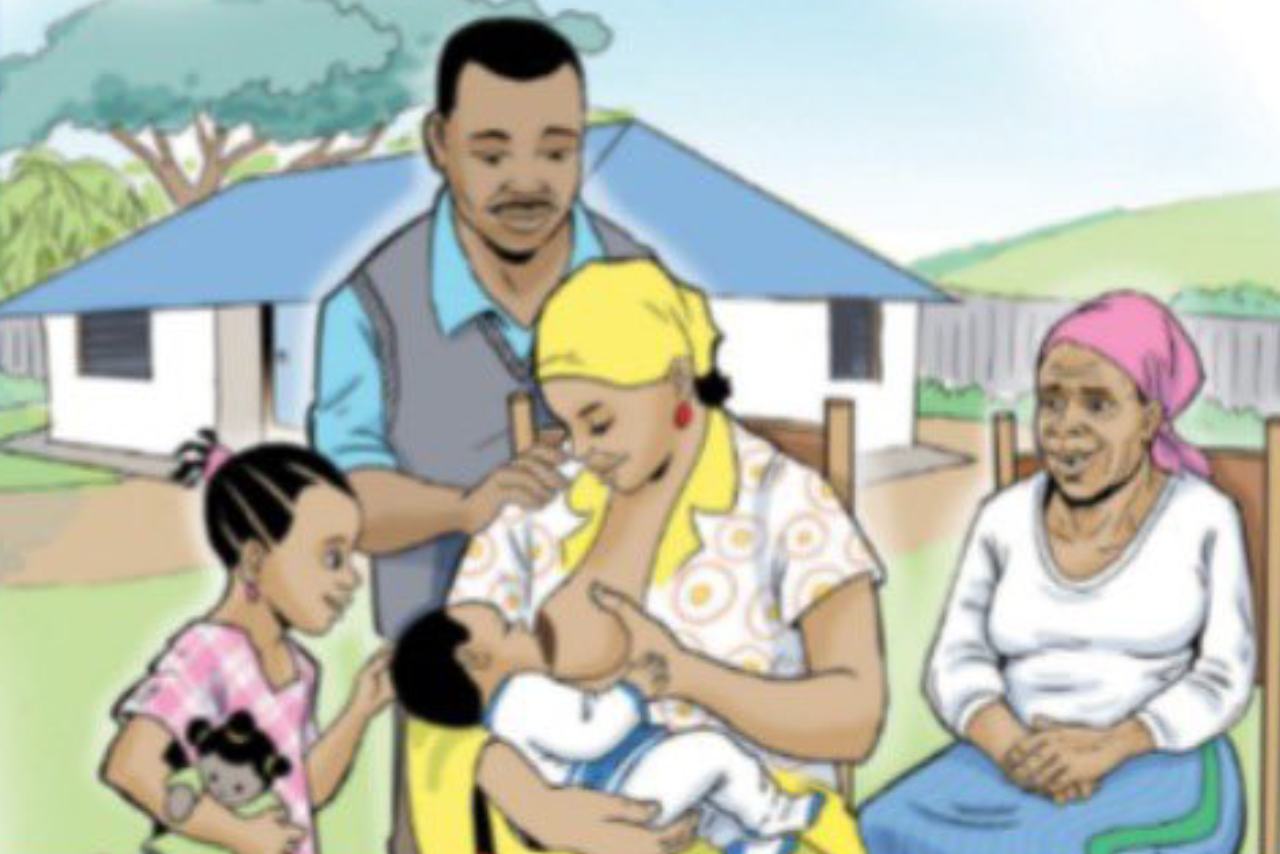
The programme also recognises the important role families play in supporting mothers.
Joyce Kadii, a grandmother, said caring for a breastfeeding mother is a shared responsibility within the family, especially when the infant requires extra attention after hospital discharge.
Health experts say involving family members helps mothers remain confident and continue exclusive breastfeeding during recovery.
According to Racheal Chivatsi, a sub-county nutrition coordinator, one of the biggest challenges is that some mothers believe they do not produce enough milk for their babies.
"Sometimes the mothers themselves feel like they don't have adequate milk for this baby to feed. So that already makes them go for other alternatives," she said.
"Breast milk is the primary source of nutrition for infants. It is best suited to meet all their needs and work with the maturity of their gut system. Breast milk contains nutrients, macronutrients and micronutrients, but also contains additional non-nutrient values that other types of milk may not be provide."
Chivatsi said creating an enabling environment for breastfeeding requires the support of the entire community.
"I'm looking at a country whereby we have everybody embracing breastfeeding. When I talk about everybody, I'm talking about men, grandmothers, healthcare workers and each and every person in our community," she said.
Researchers hope the IBAMI programme will generate evidence to strengthen post-discharge care for infants recovering from malnutrition by improving exclusive breastfeeding, reducing illness and hospital readmissions, and giving vulnerable infants a better chance to survive and thrive.