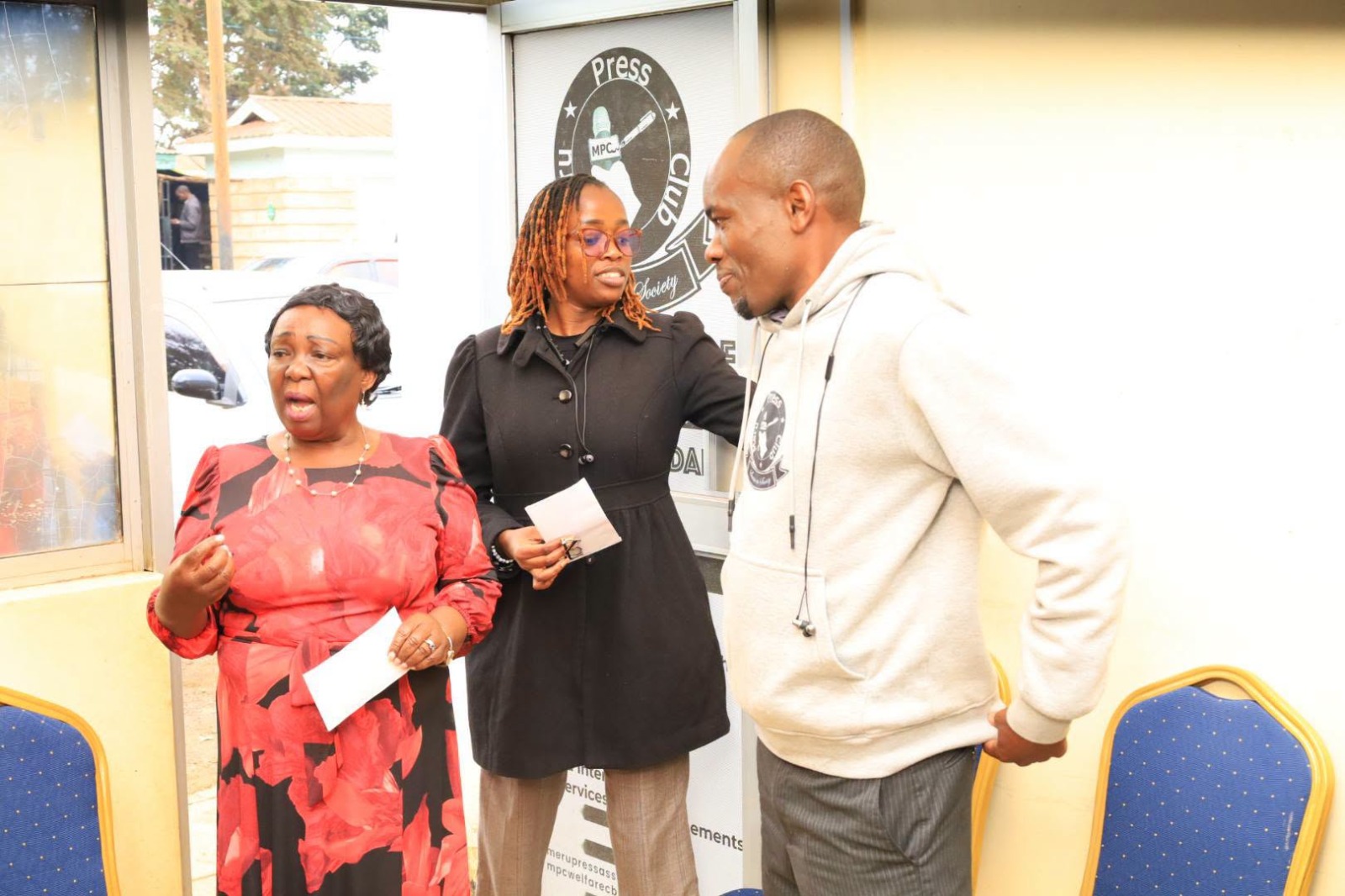
Meru Woman Representative Elizabeth Karambu Kailemia has challenged parents to take greater responsibility for their children during the school holidays, warning that failure to closely monitor them is exposing many learners to teenage pregnancies, drug abuse, and alcohol addiction.
Speaking in Meru town during the presentation of a KES 100,000 cheque to the Meru Press Club, Kailemia said many parents become preoccupied with earning a living while neglecting their parental duties, leaving children vulnerable to exploitation and other social vices.
"As the mother of the county, I am deeply concerned about how we are raising our children. Many parents are busy looking for money without knowing where their children spend their holidays," she said.
The Woman Representative noted that some parents only resume interest in their children when schools reopen, effectively shifting parental responsibility to teachers, religious leaders and caregivers.
"It is unfortunate that many parents are only happy when schools reopen because they hand over the responsibility of raising their children to teachers and other caregivers," she said.
Kailemia urged parents to know where their children are at all times, saying regular supervision could help reduce cases of teenage pregnancy, school dropouts and substance abuse.
She called on parents, teachers, religious leaders and the wider community to work together in safeguarding children, saying raising responsible citizens was a shared responsibility.
"In the past, every child belonged to the community. Relatives and neighbours knew where children were and looked out for them. We need to revive that culture," she said.
The legislator said parents should always know when their children leave home, where they are going and when they are expected to return.
She warned that failure to monitor children undermines the sacrifices parents make in paying school fees, only for some learners to drop out after falling into destructive behaviour.
Kailemia also urged young people to cultivate a savings culture by joining registered youth and women's groups to improve their access to government empowerment programmes and affordable credit.
She encouraged young people to begin saving with small amounts instead of waiting until they had substantial incomes.
"Start saving with as little as KES 100. It may seem insignificant today, but it can make a difference during emergencies such as school fees or medical expenses," she said.
The Woman Representative said financial discipline acquired at a young age would enable the youth to become responsible parents and improve their long-term economic stability.
She further encouraged young people to embrace table banking and other community-based savings initiatives, saying organized groups stand a better chance of benefiting from government funding and financial support programmes.