
For years, pupils at Nyaribo Primary School in Nyeri County have learnt science without ever stepping into a laboratory and studied computers they had never seen.
That reality is now set to change after the launch of a KES 52 million education project that will equip the school with modern classrooms, science and computer laboratories, ending what leaders described as decades of neglect.
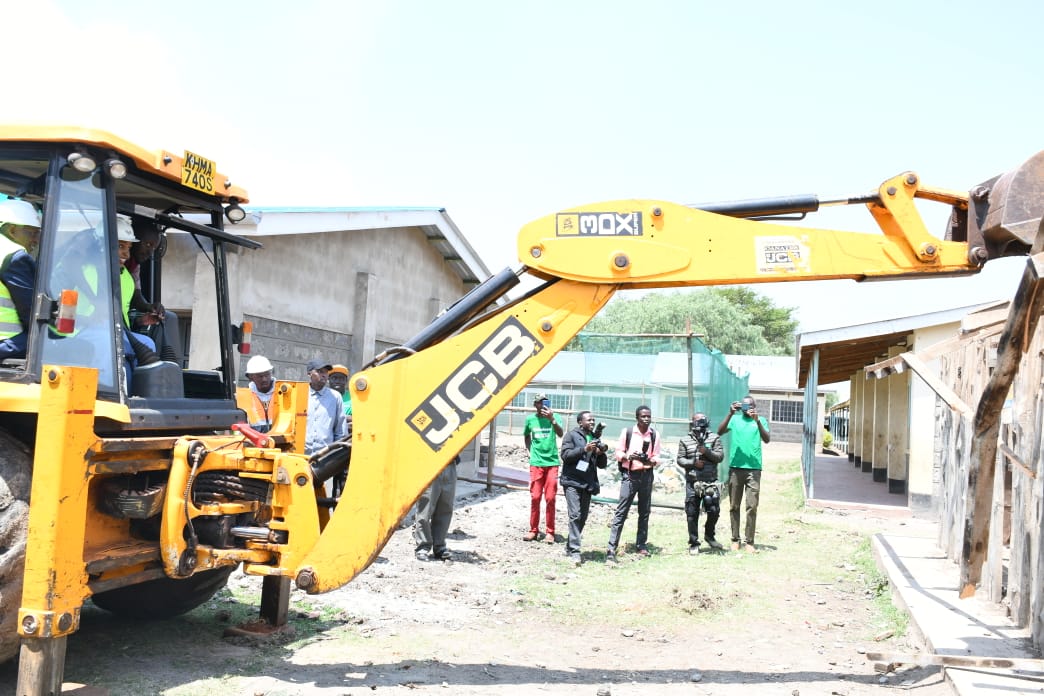
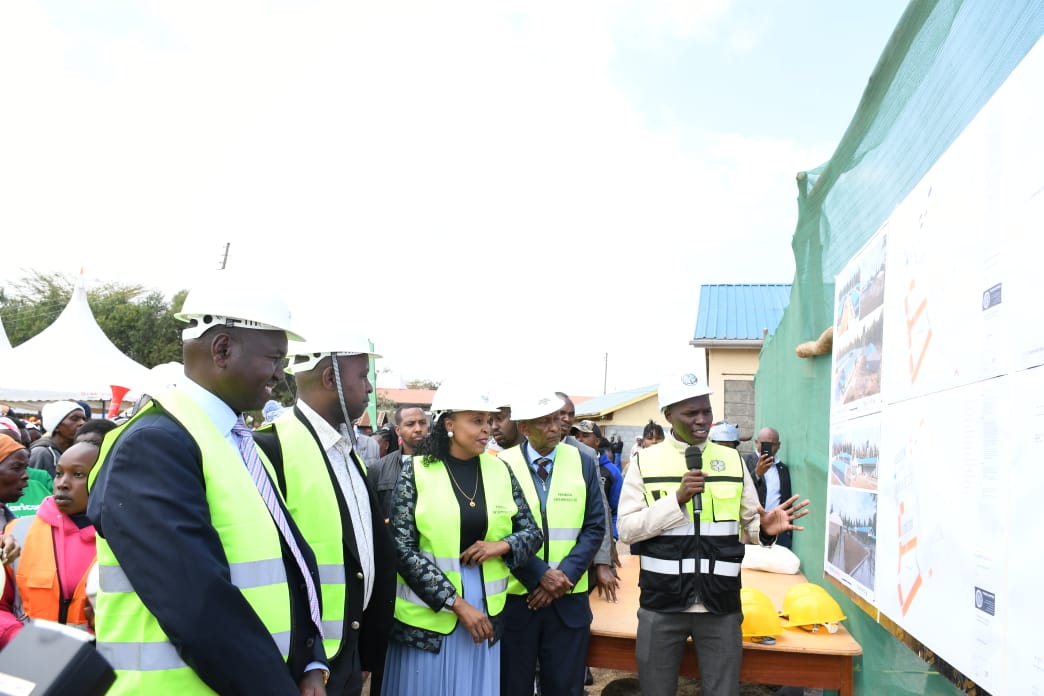
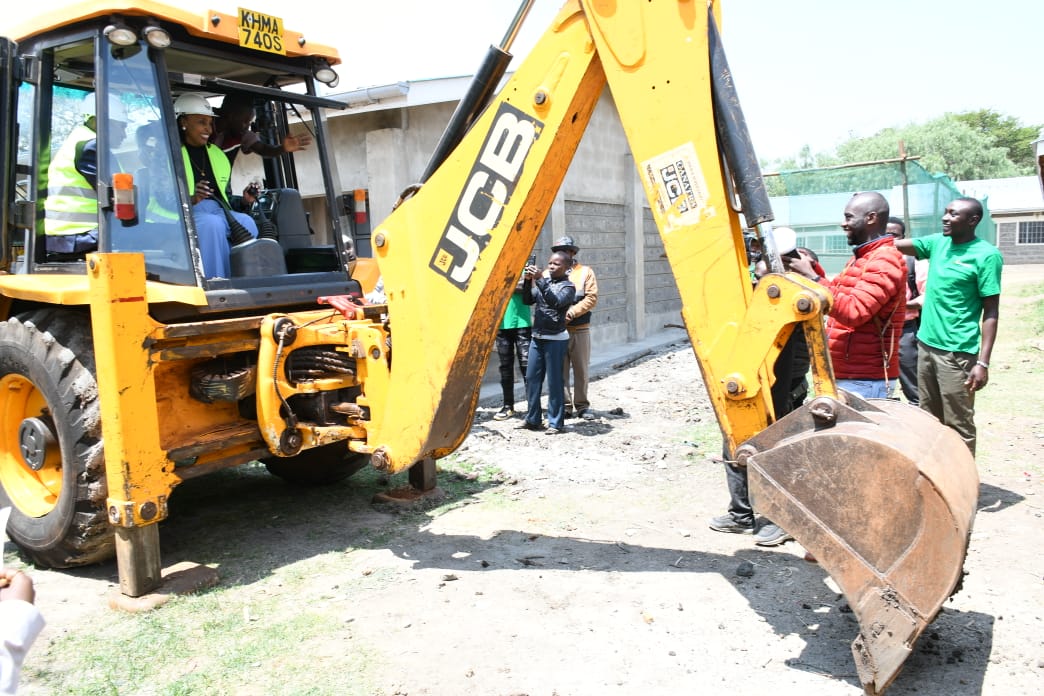
Speaking during the groundbreaking ceremony on Thursday, East African Community Principal Secretary Dr Caroline Karugu said the investment would usher learners into an era of practical education and prepare them for the demands of the digital age.
"These children have been learning imaginary science because they don't have a science laboratory. They have been imagining what computers are and what they look like. With these projects, they will now acquire experimental learning," said Karugu.
The project is funded through a KES 50 million grant from the M-Pesa Foundation, with the Ministry of Education providing an additional KES 2 million for a Junior Secondary School science laboratory.
Karugu, a native of Nyaribo village, said the school's poor infrastructure had for years denied learners equal opportunities, prompting her to seek support from the National Government and development partners.
"We are here doing the groundbreaking for the upgrade of Nyaribo Primary School, an institution that has been marginalised for many years in terms of infrastructural development," she said.
The facelift will include four permanent classrooms, a science laboratory, a computer laboratory, an Early Childhood Development Education (ECDE) centre and the equipping of all learning facilities.
She said the old classrooms had already been demolished to pave the way for modern structures that would restore dignity to the school.
Describing education as the engine of national development, Karugu said Kenya's ambition of attaining developed-country status under Vision 2060 would only be realised through sustained investment in schools.
"If we are going to move from a Third World country to a First World country, then the investment we put in the education sector will be the springboard to that success. Education improves livelihoods and impacts generations to come," she said.
Karugu also acknowledged former Basic Education Principal Secretary Julius Bitok, now the Principal Secretary for Immigration Services, for supporting the initiative from its inception.
"I have walked this journey with Julius Bitok, who really assisted me in pushing for this project. I am happy he is here to witness its success," she said.
The ceremony was attended by Immigration Services Principal Secretary Julius Bitok, Cooperatives Principal Secretary Patrick Kilemi, Public Works Principal Secretary Joel Arumonyang and other government officials.
The project is expected to significantly improve learning outcomes for pupils in the rural school, many of whom will be using a science laboratory and computers for the first time.
Be the First to Comment